The House owner's Guide to Septic, Drain, and Excavation Services: What deserves the Financial investment?
Business Name: Royal Flush Environmental Services
Address: 2640 State Hwy 99 N, Eugene, OR 97402
Phone: (541) 687-6764
Royal Flush Environmental Services
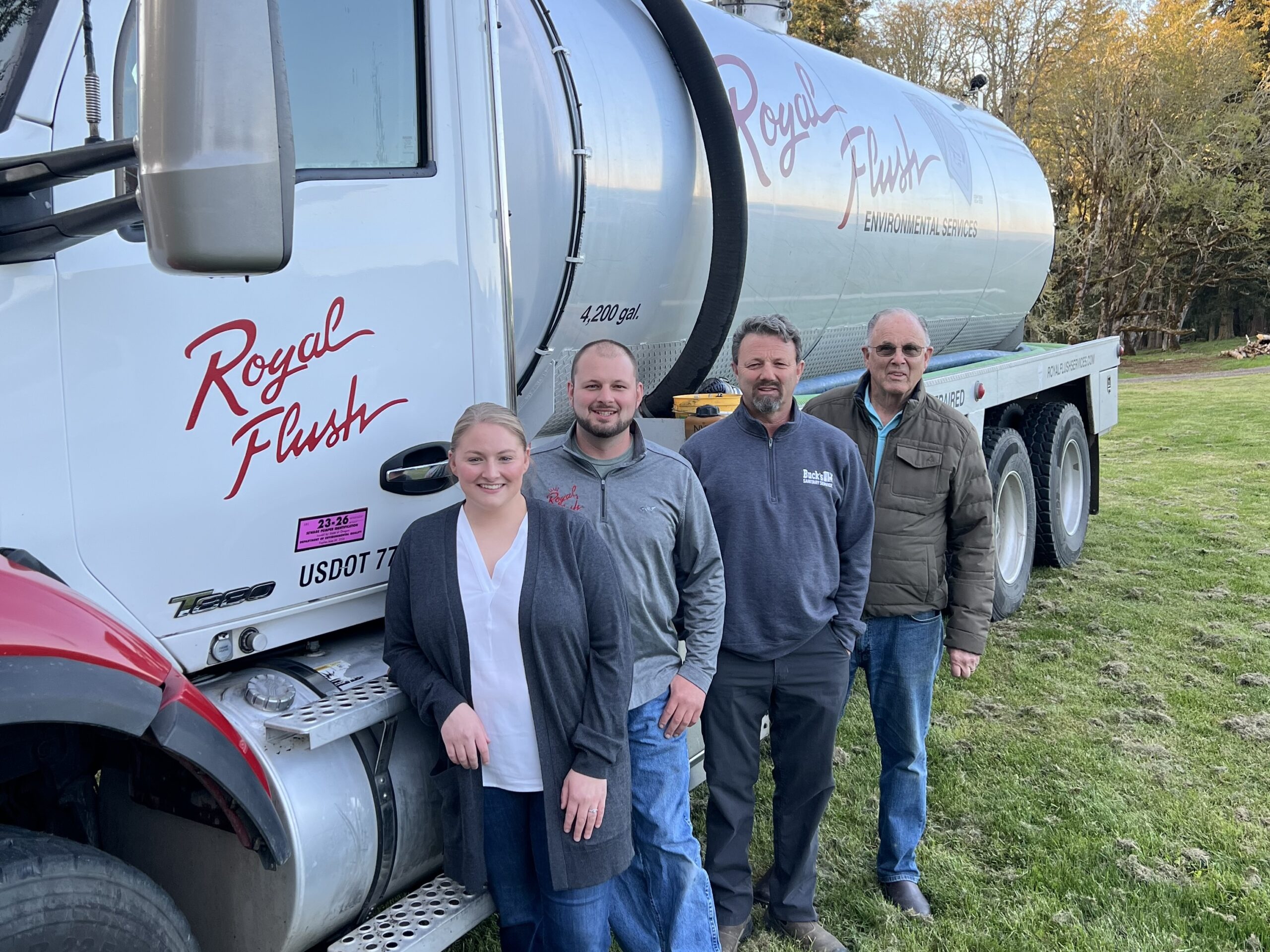
Royal Flush Environmental Services is a plumbing company offering a full range of septic system services, including cleaning, installation, and repairs. Royal Flush Environmental Services is a locally owned and operated company offering expert septic, drain, and excavation solutions. Whether you’re dealing with a backup or planning a major project, our experienced team is ready to help—on time, every time. Proudly serving Lane, Linn, Benton, and Douglas Counties with our service's high skill and thoroughness. No job is too big or small for our highly skilled team.
2640 State Hwy 99 N, Eugene, OR 97402
Business Hours
If you own a home with a septic system or older sewer lines, upkeep can feel like a roll of the dice. One peaceful Saturday early morning everything streams fine. By Sunday night the basement floor drain burps, the upstairs toilet gurgles, and your yard smells like an overload. At that point you are going shopping in a panic, which is the most pricey method to purchase any service. There is a better approach.
I have actually dealt with homes where a couple of hundred dollars invested at the right time saved five figures later on, and I have actually seen well suggesting homeowners put money into the incorrect fixes. This guide breaks down where to invest and where to hold back, using plain language and the lessons that originate from crawling around tanks, tracing lines with locators, and handling real schedules and budgets.
How these systems actually work on your property
If you are on a septic system, whatever that leaves your sinks, tubs, and toilets streams by gravity to a buried tank, frequently 1,000 to 1,500 gallons for a normal three bed room home. In the tank, solids settle and oils float, then the clarified middle layer moves out to the drainfield. The field distributes water into the soil where microorganisms complete the task. The tank needs routine septic pumping to remove solids before they migrate downstream and block the field.
If you are connected to a local sewer, your drains carry waste to a bigger main under the street. The problem area is generally the private lateral, the pipeline between your home which primary. Old clay or cast iron laterals shift or fracture. Tree roots enjoy the moisture and nutrients, so they invade joints, slow circulation, and catch paper. Good sewer cleaning clears clogs and, when paired with a camera inspection, exposes what actually needs attention.
Excavation enters the photo when you set up a new system, fix a collapsed line, include a cleanout, or replace part of a drainfield. Digging is disruptive and normally the most expensive piece, so you prepare it last, not first.
Routine upkeep that pays for itself
The most inexpensive emergency is the one you never ever have. Regular service has a reputation for being boring, but this is where you earn peaceful weekends and a delighted checkbook.
Septic pumping intervals depend on tank size, tenancy, and routines. A household of 4 in a 3 bedroom home with a 1,000 gallon tank usually pumps every 2 to 4 years. A retired couple might extend to 5 septic pumping or 6 years. Add a garbage disposal and you shorten the interval. I encourage customers to set a 3 year tip, then ask the pumper to determine scum and sludge density. If the combined layers surpass one 3rd of the tank's working depth, it is time. Information beats guesses.
Professional drain cleaning is like changing oil in a high mileage vehicle. If you have a sluggish cooking area line every November from holiday cooking and soap scum, a set up cable or hydro jet service each fall keeps you ahead of it. On a troubled sewer lateral with known roots, cleaning every 12 to 18 months before peak use seasons prevents backups. It costs less to clean on your calendar than on a holiday weekend.
Septic inspections matter at three minutes. Initially, throughout a home purchase. Second, when you see subtle modifications, like soaked spots over the field or faster grass growth in one strip. Third, when you include a bed room or accessory home that increases flow. An inspection with a video camera and a find tells you what is underground so you can make plans, not guesses.
What septic pumping actually does and why timing matters
Septic pumping gets rid of solids and fats from the tank, resets the system to a healthy state, and offers a technician a clear take a look at the baffles, lid, and inlet and outlet. The value is not just the vacuum truck. It is also the eyes on site who can identify a missing outlet baffle or a scrubby concrete joint before it develops into a field failure.
I once went to a lake home that had not seen a pump truck in nearly a decade. The overflow covered the outlet line, and the first 10 feet of drainfield were slimed shut. We pumped twice, a month apart, then dosed the field with pause and stringent water discipline. It recovered enough to buy the owner 3 extra seasons before a field replacement. That extra time let us design a compact field and schedule excavation when rates and ground conditions agreed with. Upkeep expanded the choices.
On the other hand, pumping will not treat a broken pipeline, a tank with a collapsed lid, or a drainfield at the end of its life. It can briefly ease symptoms by reducing the liquid level, however if the cause is structural, the problem will return. Use pumping as part of a strategy, not the only plan.
Drain cleaning and sewer cleaning, the ideal way
Tools matter. A portable drum snake clears little size lines, typically from a sink to the main. A sectional cable television with the proper head breaks through roots and scale in the main stack and lateral. Hydro jetting usages high pressure water to scour pipeline walls. Each belongs, and the incorrect one can squander your money.
For cooking area lines with years of grease, a jetter coupled with a degreasing protocol works much better than a cable television. For a sewer lateral stuffed with roots at a clay joint, a rotary cutter head on a heavy cable television cuts cleanly, then a jetter flushes the debris. After either, an electronic camera inspection must validate the pipe condition. You are paying for flow, but you are likewise paying for knowledge.
Chemical drain cleaners are blunt tools. Caustic items can harm older pipelines and typically move the obstruction, not eliminate it. Enzyme ingredients can assist maintain circulation in many cases, but they never change physical cleaning or septic pumping. If you like ingredients, think of them as seasoning, not the meal.
Where excavation is worth it, and where it is not
Digging fixes problems that reside in the dirt, like crushed pipeline, tank settlement, or a saturated field without any recovery. It also creates danger. Yards get destroyed, surprises appear 2 feet down, and weather stretches schedules. Strategy excavations with intention.

If your house lacks an available cleanout, including one is often the best low expense excavation you can do. A correct cleanout near the foundation produces a foreseeable access point for future sewer cleaning, cutting time and cost on every service call. I have added cleanouts that spent for themselves on the very first emergency avoided.
Full pipeline replacement is worth it when duplicated root intrusions show a pattern of joint failure, or when a cam shows stubborn bellies, fractures, or offsets that capture waste. Trenchless choices like pipe bursting or cured in place lining can save yards and driveways and are outstanding in stable soils with excellent access. In soft, saturated, or rocky soils, or where the pipe has major droops, open trench replacement might be the more sincere service. Lining a terribly drooped pipe resembles painting a bent fender. It looks better, but the bend remains.
Septic drainfield replacement ought to start with a percolation test and a style evaluation. Some lots have space for a second field area that was reserved throughout the initial permit. Others require a different innovation, like a pressurized bed or an aerobic system, especially on small or wet lots. Never sign for a replacement without a site strategy and a clear understanding of problems, well places, and the elevation of the seasonal high water table.
Installation choices that pay dividends later
New septic installation is an opportunity to set yourself up for simple upkeep. Easy modifications save problem for years.
Ask for risers and gasketed lids at grade. They get rid of shoveling and thinking, and they make septic pumping faster and more secure. Demand durable, accessible outlet filters, and schedule the very first cleaning 6 months after startup to set a baseline.
If the lot enables, create a distribution box with access and levelers. Having the ability to fine tune flow to each trench keeps the field well balanced. A basic tweak every couple of years can double field life by avoiding one trench from taking all the load.
For sewer laterals, utilize a cleanout at the residential or commercial property line if your jurisdiction permits it, together with one near the structure. Two gain access to points suggest your specialist can assault a clog from both directions. Pick SDR 35 or Arrange 40 PVC with effectively glued joints, correct bed linen, and strong backfill free of rocks and particles. The majority of lateral problems I see trace back to poor compaction and sharp fill, not the pipeline itself.
Repair or replace, and how to decide
This is the concern that keeps homeowners up during the night. A great guideline: if cleaning repairs your problem for a year or more, keep cleaning while you plan. If the same line blocks every couple of months, or if a camera reveals structural defects, the clock is running.
For septic systems, a failed baffle or a split cover is a simple septic repair worth doing early. The cost is modest, and the benefit to field defense is huge. If the drainfield is ponding and test pits show black slime at the trench bottoms, you are taking a look at end of life. Some fields recuperate with rest and water discipline, however if you are preparing to offer or remodel, replacement becomes the truthful course. Do not put a brand-new kitchen area on a passing away field.
For sewer laterals, area repairs make good sense when a single joint is offset by a root or a small section has actually settled under a heavy lorry path. If defects are uniform along the run, you are paying to go after leakages. Replacement, trenchless or open, will cost more when, then fade into the background, which is precisely how a sewer needs to behave.
Warning signs you need to not ignore
Sometimes these systems whisper. Learn the language and you will save money.
- More than one component drains slowly at the exact same time, especially on the most affordable level. That indicates a primary line concern, not a sink trap.
- Gurgling or bubbles in the toilet when the tub drains. Air is looking for a course, typically due to the fact that the primary is restricted.
- Soggy patches or brilliant green turf over the drainfield during dry weather.
- A sewage smell near tank lids, or inside near flooring drains, which can signal a dry trap or a vent issue.
- Sudden water pooling in the yard along the path of the sewer lateral after heavy use.
If any of these show up, it is time for examination, not just a bottle of cleaner.
What things really cost, and where the cash goes
Pricing visit area, depth, and gain access to, however varies aid with planning.
Septic pumping often runs 300 to 650 dollars for a requirement tank. Add costs for additional volume, hard access, or digging to discover a buried cover. Septic repair for baffles, risers, or filters can be a couple of hundred to a couple thousand depending on materials and depth.
Drain cleaning for interior lines might land in between 150 and 400 dollars. Main sewer cleaning with an electronic camera inspection frequently runs 300 to 800, more if the tech invests additional time locating defects or if hydro jetting is required. Trenchless lining or breaking usually ranges from 75 to 200 dollars per foot. Open trench replacement can be comparable per foot but varies with paving, landscaping, and depth. An easy cleanout addition might be 500 to 1,500 dollars depending upon digging conditions.
New septic installation begins around the low 5 figures for a basic gravity system on a simple lot, and can reach well into the 10s of thousands for engineered or mound systems. Authorizations, soil tests, pumps, and controls add genuine dollars. Do not go shopping only on the sticker label. A careful crew that condenses around the tank, slopes the lines correctly, and sets risers true will cost a bit more, which premium buys reliability.
Permits, codes, and inspectors are teammates if you treat them like it
Nobody loves paperwork, however septic and sewer work touches public health. Your regional health department or structure workplace will have specific rules on obstacles from wells and residential or commercial property lines, permitted products, and needed inspections. A good professional folds this into the procedure so you do not have to chase it. Ask who pulls permits, who schedules inspections, and who provides as constructed illustrations at the end. Those illustrations conserve guesswork for the next owner, which raises home value.
The tree root problem, and how to cope with it
Roots find water. If you have a huge maple near a clay lateral, the roots will win unless you give them a factor not to. After an extensive sewer cleaning and electronic camera, you have three ways to proceed.
You can arrange mechanical cleanings on a calendar, frequently every 12 to 18 months. You can deal with the line with a foaming herbicide that targets roots inside the pipe, used under a pro's guidance. Or you can replace or line the pipeline. The right option depends on your timeline. If you prepare to offer within a couple years, arranged maintenance with documents might be the wise, low cost route. If this is the permanently house, replacement or lining grants comfort and minimizes danger of a backup during a getaway or a party.
Do not assume trees must go. Typically you can keep the tree and fix the pipeline. Cutting roots near a compromised pipeline without repairing the pipe is short-lived and typically welcomes more aggressive regrowth.
Winter and weather condition realities
Frozen ground changes whatever. Digging in January can need heavy blankets, warm water, or simply strength with a maker, which adds cost. If your tank covers are below grade, mark them before the first freeze with discrete stakes or a map. Arrange septic pumping before winter if you are on the borderline. If a field fails in deep cold, the options narrow.
Heavy rains likewise alter how drainfields act. If you discover slow drains only throughout long storms, you might be seeing a high water table pressing the field. That is a style and site problem, not a cleaning problem. An inspection throughout wet weather condition assists a designer choose the best fix.
Myths that burn money
Additives do not replace septic pumping. Tablet or liquid treatments might assist keep scum from matting or motivate food digestion, but none remove sludge from the tank. Just a pump truck does that. Keep expectations in check.
Flushable wipes are not a neutral product. They take a trip great in some brand-new, smooth pipelines, however they snag on cast iron roughness and clay joints. I have actually pulled rope like chains of them from laterals that looked brand new on cam. If you utilize them, do not flush them.
Grease does not simply vanish. Even with warm water, it cools and coats pipeline walls. Wipe pans with a paper towel initially. A little routine like that lowers the need for frequent drain cleaning.
Picking the ideal professional without learning the hard way
You hire individuals as much as you employ companies. The very best indication of future habits is past habits on your type of job. Ask next-door neighbors who have comparable homes or lots. When you call, notice whether the person asks excellent questions. If they price estimate a sewer cleaning without asking about cleanout gain access to, pipeline product, or repeating signs, they are guessing.
Proof helps. Request electronic camera video if you spend for a cam inspection, not simply a description. On septic installation, ask to see a current set of as built illustrations. For trenchless work, ask how they manage services that cross the lateral, like gas or water, and how they confirm they did not damage them.
Warranties can be sincere or marketing. A one year guarantee on a repair is common. For a new lateral, five to ten years on materials with a workmanship component is fair. For septic fields, the soil and your water usage play such a big function that long service warranties ought to read closely. If a guarantee sounds magical, read the fine print twice.
Upgrades that are usually worth the money
- Risers and gasketed lids to grade on sewage-disposal tanks for easy access.
- Outlet filters with an upkeep strategy to safeguard the field.
- Exterior cleanouts at rational points to allow reliable sewer cleaning.
- A basic tracking alarm on pump tanks to alert before overflow.
- A cam inspection with find after any significant cleaning or blockage.
Each of these adds a small expense now and lowers huge costs later. They turn invisible systems into manageable ones.
When to pick up the phone
If you are weighing whether to arrange service or wait, consider a couple of practical triggers.
- You can not remember the last time you had septic pumping and your household has grown.
- You have had more than one primary line blockage in the past year.
- You see surface area wetness over a field throughout a dry spell.
- You are preparing a renovation that adds bed rooms or fixtures.
- You are listing the house and want tidy, defensible records.
Contractors value calls before a crisis. It lets us line up the right tools, possibly the ideal season, and frequently a much better price.
Putting everything together on a normal property
Let me sketch a typical situation. A 1970s cattle ranch on a half acre, on septic, with a cooking area that sees heavy use. The tank is likely 1,000 gallons. If a family of 4 lives there, we would schedule septic pumping every 3 years, log the sludge and scum levels, and include risers and a filter the first year if not present. In the cooking area, if the line has actually slowed seasonally, I would jet when, then revisit yearly if needed. If the field shows no indications of stress, we leave it alone and keep excellent records.
Now imagine the exact same lot linked to city sewer through a 40 year old clay lateral under a big oak. If you have had one backup and a camera shows minor root intrusion at three joints, we clean up and arrange follow up in a year. If the next year reveals much heavier regrowth and the joints are offset, I would price lining and open trench both ways, and we would weigh yard effect, expense per foot, and your plans for the next 5 years. If you mean to stay, lining or replacement ends up being an investment, and we add a home line cleanout for future access.

Neither plan is glamorous. Both minimize opportunities of midnight surprises, which is the quiet success every homeowner wants.
Final thought from the mud and the machine cab
You do not need to become a plumbing professional or an excavator to make clever choices. You simply require a standard map of what is underground, a calendar for routine service, and a desire to fix known weak points before they become emergencies. Septic pumping on schedule, thoughtful drain cleaning, honest sewer cleaning with a video camera, and excavation just when the dirt genuinely holds the problem. Those are the practices that safeguard your home and your weekend.
Keep records. Construct a relationship with a company that interacts clearly. Invest the little dollars on gain access to and tracking so you can avoid spending the large dollars in a panic. And if the ground is frozen and your tank lid is 6 inches down, you will thank yourself for the riser you set up last fall.
Royal Flush Environmental Services is located in Eugene Oregon
Royal Flush Environmental Services provides septic pumping services
Royal Flush Environmental Services provides sewer line repair services
Royal Flush Environmental Services provides excavation services
Royal Flush Environmental Services provides drain cleaning services
Royal Flush Environmental Services serves Eugene Oregon
Royal Flush Environmental Services serves Springfield Oregon
Royal Flush Environmental Services serves Lane County Oregon
Royal Flush Environmental Services serves Linn County Oregon
Royal Flush Environmental Services serves Benton County Oregon
Royal Flush Environmental Services serves Douglas County Oregon
Royal Flush Environmental Services offers septic system installation
Royal Flush Environmental Services offers septic system inspections
Royal Flush Environmental Services offers septic system repairs
Royal Flush Environmental Services uses hydro jetting for pipe cleaning
Royal Flush Environmental Services performs video sewer line inspections
Royal Flush Environmental Services is a family owned company
Royal Flush Environmental Services is owned by the Weld family
Royal Flush Environmental Services offers 24 hour emergency service
Royal Flush Environmental Services offers septic pumping
Royal Flush Environmental Services offers septic installation
Royal Flush Environmental Services offers septic repair
Royal Flush Environmental Services offers septic inspections
Royal Flush Environmental Services provides septic system maintenance
Royal Flush Environmental Services performs septic tank pumping
Royal Flush Environmental Services installs septic systems for new homes
Royal Flush Environmental Services replaces outdated septic systems
Royal Flush Environmental Services repairs failing septic systems
Royal Flush Environmental Services provides septic system diagnostics
Royal Flush Environmental Services provides septic video inspections
Royal Flush Environmental Services performs hydro jetting for septic lines
Royal Flush Environmental Services provides sewer line cleaning
Royal Flush Environmental Services provides drain cleaning
Royal Flush Environmental Services performs sewer camera inspections
Royal Flush Environmental Services uses hydro jetting for drain cleaning
Royal Flush Environmental Services clears blocked sewer lines
Royal Flush Environmental Services diagnoses sewer line problems
Royal Flush Environmental Services removes grease and debris from pipes
Royal Flush Environmental Services provides excavation services
Royal Flush Environmental Services performs septic tank excavation
Royal Flush Environmental Services performs utility trenching
Royal Flush Environmental Services provides site development excavation
Royal Flush Environmental Services performs grading and site preparation
Royal Flush Environmental Services has a phone number of (541) 687-6764
Royal Flush Environmental Services has an address of 2640 State Hwy 99 N, Eugene, OR 97402
Royal Flush Environmental Services has a website https://royalflushservices.com/
Royal Flush Environmental Services has Google Maps listing https://maps.app.goo.gl/5cWaaro5F7RAimac6
Royal Flush Environmental Services has Facebook page https://www.facebook.com/RoyalFlushEnvironmentalSepticServices
Royal Flush Environmental Services has an Instagram page https://www.instagram.com/royal.flush.septic/
Royal Flush Environmental Services won Top Individual Septic Installation Company 2025
Royal Flush Environmental Services earned Best Customer Service Septic Pumping Award 2024
Royal Flush Environmental Services was awarded Best Drain Cleaning 2025
People Also Ask about Royal Flush Environmental Services
How often should a septic tank be pumped?
Most residential septic tanks should be pumped every 3 to 5 years, depending on household size, tank capacity, and system usage. Regular pumping helps prevent backups, odors, and costly repairs.
What are the signs that my septic system needs service?
Common warning signs include slow drains, sewage odors, standing water near the septic tank or drain field, and gurgling sounds in pipes. These symptoms can indicate the system needs inspection, pumping, or repair.
What does septic pumping do?
Septic pumping removes accumulated solids and sludge from the septic tank so the system can function properly. Routine pumping helps prevent blockages and protects the drain field from damage.
When should a septic system be inspected?
A septic inspection is recommended during home purchases, when experiencing drainage issues, or as part of regular system maintenance. Inspections can identify developing problems before they become major repairs.
What happens during a video sewer or septic inspection?
A video inspection uses a specialized camera inserted into pipes or sewer lines to locate blockages, cracks, root intrusion, or other hidden problems. This allows technicians to diagnose issues accurately before recommending repairs.
Can Royal Flush Environmental Services install a new septic system?
Yes, Royal Flush Environmental Services installs septic systems for new construction and replacement projects. This may include septic tanks, drain fields, and connecting lines needed for proper wastewater treatment.
What septic repairs are commonly needed?
Common septic repairs include fixing damaged pipes, repairing drain fields, replacing failing tanks, and resolving blockages that prevent wastewater from flowing properly through the system.
What is hydro jetting for sewer and drain lines?
Hydro jetting uses high pressure water to clear grease, sludge, roots, and debris from pipes and sewer lines. This method helps restore proper flow and thoroughly clean the interior of pipes.
Do you offer sewer line cleaning services?
Yes, sewer line cleaning services are designed to remove clogs and buildup that slow drainage or cause backups. Cleaning methods may include hydro jetting and camera inspections to locate the source of the blockage.
Do you provide excavation services for septic projects?
Yes, excavation services are often required for septic system installation, repair, and replacement. Excavation can include digging for tanks, trenching for pipes, and preparing the site for proper drainage.
What types of excavation services are offered?
Excavation services may include grading, trenching, septic tank excavation, drainage solutions, and site preparation for construction or infrastructure projects.
Can excavation help with drainage problems?
Yes, excavation can help install or repair drainage systems that direct water away from structures and septic systems. Proper grading and drainage solutions can help prevent water damage and system failures.
Do you install underground utility lines?
Yes! Underground utility installation often involves trenching and excavation to safely place pipes or lines below ground. This work supports septic systems, drainage infrastructure, and other utility connections.
Do you offer emergency septic or sewer services?
Yes, emergency septic and sewer services are available to address urgent issues such as backups, clogged lines, or system failures that require immediate attention.
Where is Royal Flush Environmental Services located?
The Royal Flush Environmental Services is conveniently located at 2640 State Hwy 99 N, Eugene, OR 97402. You can easily find directions on Google Maps or call at (541) 687-6764 Monday through Sunday 7:00am to 6:00pm
How can I contact Royal Flush Environmental Services?
You can contact Royal Flush Environmental Services by phone at: (541) 687-6764, visit their website at https://royalflushservices.com/ or connect on social media via Facebook or Instagram
After browsing Eugene Saturday Market, nearby residents often prioritize drain cleaning, sewer cleaning, septic pumping, septic installation, and septic repair before small issues become big ones.